In the complex international trade environment, how can a closed-loop guarantee system be built, from contract transparency to a three-part quality assurance system?
The essence of cross-border trade is risk management. With the diversification of global footwear consumer demand, buyers face multiple challenges, including fluctuating raw material prices, inconsistent quality standards, and lengthy after-sales service chains. This report aims to explore how to reduce hidden costs in international trade by establishing a scientific supplier evaluation system.
Firstly, the report emphasizes the transparency of “credibility and qualifications.” In mature market environments, government and industry association certifications such as “Contract-Abiding and Creditworthy Enterprise” and awards for outstanding private enterprises are important indicators for assessing a supplier’s underlying credibility. These endorsements represent a company’s ability to handle complex disputes and fulfill contracts over long-term trade relationships. For large-volume orders, these honors often have more risk-mitigation value than low price quotes.
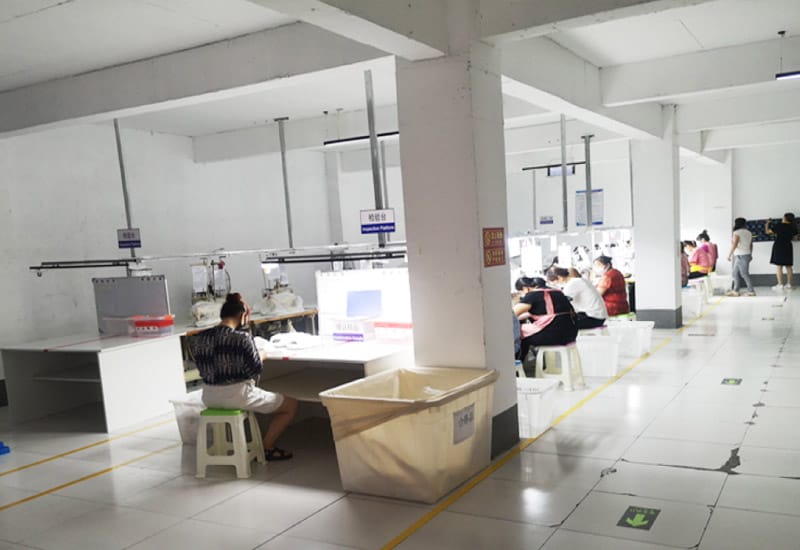
Secondly, the report analyzes the importance of “full lifecycle quality control.” A professional footwear supplier’s risk control capabilities are reflected in everything from raw material (such as rubber and fabrics) incoming inspection, to metal detection during the production process, and finally to after-sales service. The report particularly advocates the application of a “three-part quality assurance” service (exchange, return, and compensation) in cross-border trade, which is considered a testament to the supplier’s ultimate confidence in its own management system. The article suggests that global buyers should seek partners who integrate “quality first, credibility paramount” into their corporate culture and possess a mature management team and transparent quality inspection data, thereby building a solid support system in the fierce market competition.